86-592-5659128 (to8016)
anna@xmydx.com English
 Deutsch
 español

20 YEARS Silicone manufacturer
86-592-5659128 (to8016)
anna@xmydx.com
20 YEARS Silicone manufacturer




2026-11-11
Short answer: Yes to the oven, up to about 230 °C / 450 °F. Yes to the air fryer at typical settings, as long as the silicone does not touch the heating element. Yes to the microwave — silicone does not absorb microwaves and does not heat itself. Yes to the freezer, down to about −40 °C. No to the broiler, the grill, or direct flame.
The rules are simple, but three of them are commonly misunderstood, and each misunderstanding damages the product.
• One number governs everything: the rated temperature of the specific compound. Most food-grade silicone is rated to roughly 230 °C; a few grades go higher, many promotional parts do not.
• In a microwave, silicone stays cool. It is transparent to microwaves; the heat comes from the food, not the container.
• In an air fryer, radiant heat is the risk. The air temperature is fine — direct contact with the element is not.
• A broiler is outside the design envelope. It is a radiant heat source well above the rated range, and it is where most "my silicone melted" stories come from.
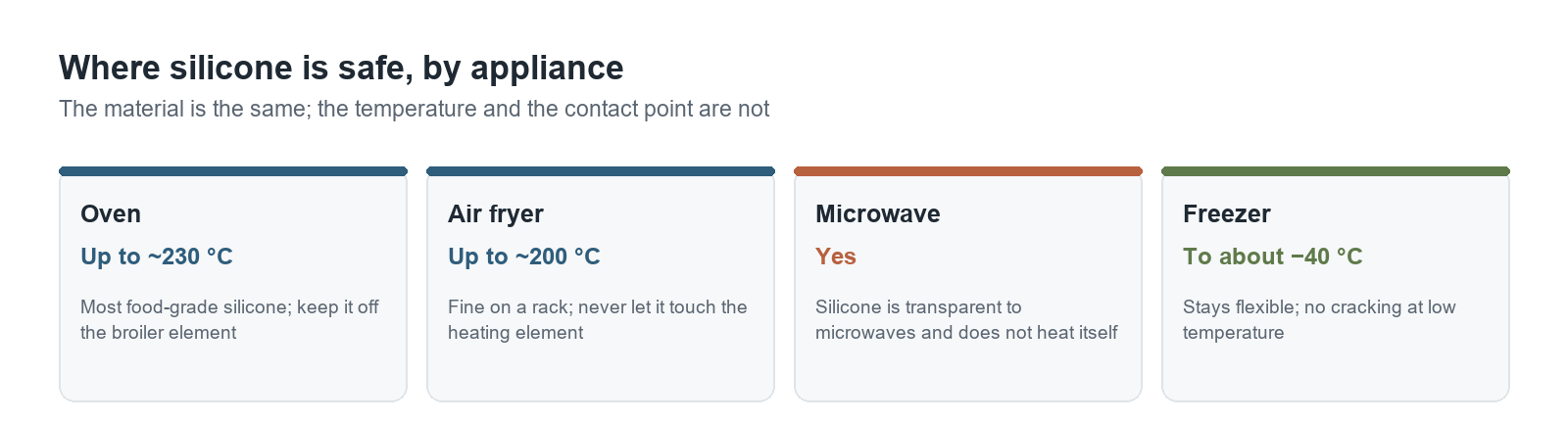
Figure 1. Same material, four different heat paths.
Silicone is not one material. It is a family of compounds, and the rated temperature belongs to the compound, not to the category. A platinum-cured baking mat and a promotional wristband can both be called "silicone" and have very different service limits.
So the first move is boring and effective: find the rating on the product or its packaging. If there is no rating, assume the conservative figure — about 200 °C for continuous use — and do not put it under a broiler.
Yes, up to the rated temperature. Two caveats that matter more than the headline:
• Rack position. The top third of an oven runs hotter than the set temperature, especially in a fan oven. A pan rated at 230 °C placed directly under a top element is seeing more than 230 °C.
• Contact with the element. Silicone touching a heating element is a local hot spot, not an ambient temperature. That is a failure mode, not a use case.
Yes at typical air fryer temperatures. The trap is geometry: air fryers are small, the element is close, and a liner that curls up can touch it.
Use a rack or a basket insert that keeps the silicone off the element, and avoid silicone that is larger than the basket — a liner pressed against the wall and the element will fail at the edge first.
Yes. Silicone is essentially transparent to microwaves, so it does not heat up the way a container with absorbed moisture does. The silicone gets hot because the food gets hot and conducts into it.
Two practical notes: a lid with a tight seal should be vented, and a suction base can be hard to release from a smooth microwave turntable while the food is hot.
Yes, down to about −40 °C. Silicone stays flexible at freezer temperature, which is why it does not crack the way rigid plastic does.
The weak point is not the silicone — it is the lid. A rigid lid, or a gasket that has stiffened, is what fails first after repeated freeze-thaw cycles.
No. A broiler element radiates far above the rated temperature, and a grill grate is a direct-contact heat source. Silicone exposed to either will stain, chalk and eventually crack. If a product is marketed for grill use, it should carry a specific rating for that application — and most do not.
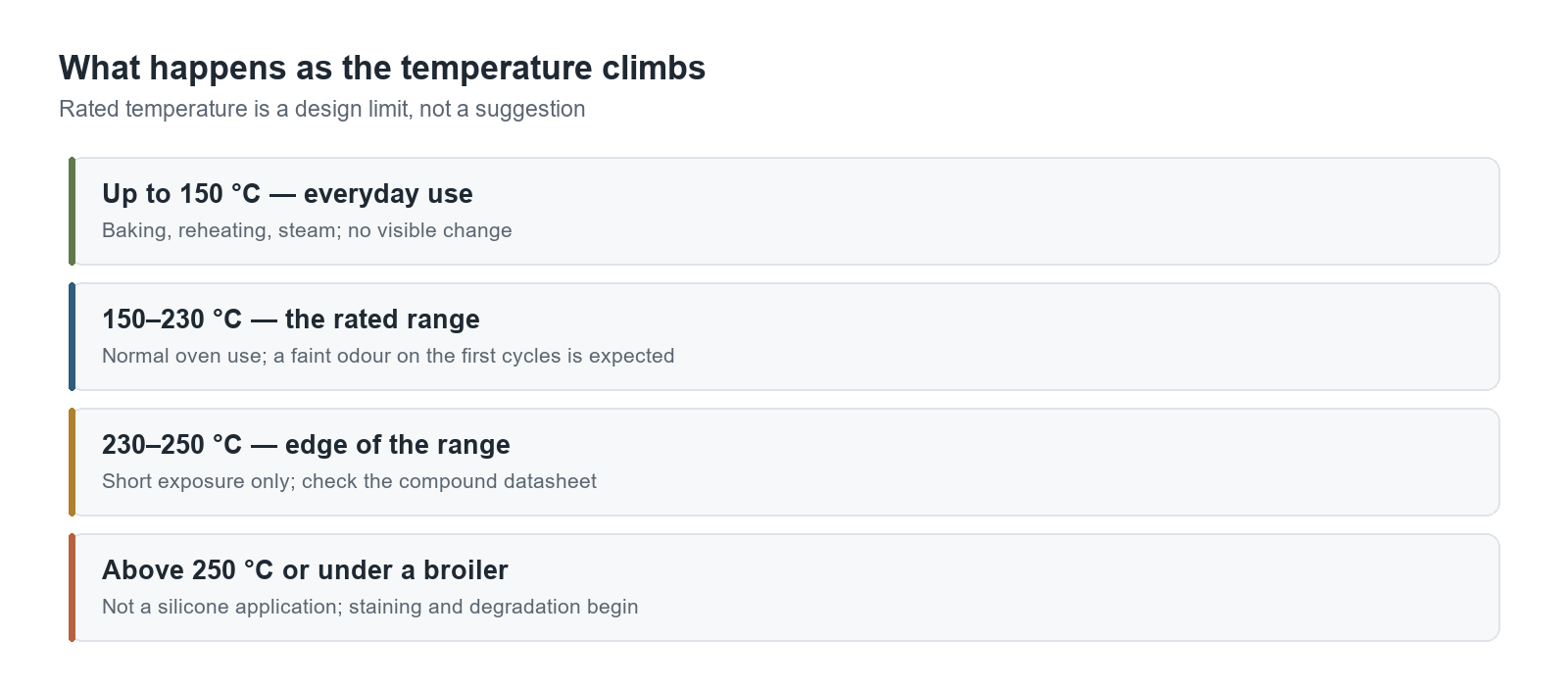
Figure 2. Rated temperature is a design limit, not a suggestion.
|
Range |
What happens |
What to do |
|
Up to 150 °C |
No visible change; normal baking and reheating |
Nothing |
|
150–230 °C |
Normal service; a faint odour on the first cycles is expected |
Ventilate the first few uses |
|
230–250 °C |
Edge of the range; short exposure only |
Check the compound rating |
|
Above 250 °C / broiler |
Staining, chalking, then cracking |
Out of specification — stop |
The transition is not a single dramatic failure. It is cumulative: each excursion above the rated range removes a little of the material's elasticity, and the part eventually fails at a flex point rather than in the middle.
Three reasons two products with the same claim behave differently:
1. Different compounds. A higher-phenyl or higher-vinyl compound can carry a higher rating than a general-purpose one.
2. Different wall thickness. A thin part heats through faster and reaches the limit sooner at the same oven setting.
3. Different test conditions. "Oven safe to 230 °C" may mean continuous, or it may mean a short excursion. If the claim does not say which, ask.
• A chalky or matte surface where the part used to be glossy
• Permanent staining that survived a bicarbonate clean
• Cracks at flex points — corners, fold lines, the rim
• A smell that returns after washing
• Tackiness that will not wash off
Any of these means the material has changed. At that point the part is no longer the product that was tested, and replacing it is cheaper than guessing.
• Put the rating on the product, not just the box. Buyers compare on the shelf, and a moulded-in rating is also a quality signal.
• Specify the continuous rating, not a peak. "230 °C continuous" is a testable claim; "heat resistant" is not.
• Test the geometry, not only the material. A thin liner in a small air fryer fails at a lower ambient temperature than a thick mat in a full-size oven.
• Do not let the packaging outrun the data. If the lid is PP, the product is not oven-safe, no matter what the body can take.
Talk to us about ratings and test reports if you are building a range that has to survive both oven and air fryer claims.
Can silicone go in the oven at 450 °F? Most food-grade silicone is rated to about 450 °F / 230 °C, so yes at the rated temperature — provided the part is not touching an element and the rating is continuous rather than a short peak.
Is silicone safe in an air fryer? Yes at typical air fryer temperatures, which are usually below the rated range. Keep the silicone off the heating element and make sure it fits the basket without curling against the wall.
Does silicone melt in the microwave? No. Silicone does not absorb microwaves, so it does not heat itself; it warms up from the food. Vent sealed lids so steam can escape.
Can silicone go from the freezer straight to the oven? Yes for most food-grade compounds, and thermal shock is not the main risk — warping from an uneven rack is. Let a large frozen part sit for a minute if it is rigid with ice.
Why did my silicone turn white after baking? Usually a mineral film from hard water or detergent, or the beginning of surface degradation. Try a diluted vinegar soak first; if the surface stays chalky, the part has been over its rated temperature.
Can I use silicone on a BBQ grill? Only if the product carries a specific grill rating. A grill grate is a direct-contact heat source well above the normal oven range, and most silicone kitchenware is not rated for it.
About Xiamen Yidexin Silicone Rubber Industrial Co., Ltd. Founded in 2004 in Xiamen, China, Yidexin moulds custom silicone houseware, baby products and OEM parts. The factory runs 10 production lines with 50+ QC staff; total staff 109, including 5+ certified engineers. Intertek onsite verified in January 2026. Hardness range 20–80 Shore A; MOQ 100–2,000 pcs; sampling 3–7 days for parts. See household supplies.
2F/YISHENG BUILDING,1ST INDUSTRIAL ZONE,DIANQIAN,HULI DISTRICT,XIAMEN CITY,CHINA
86-592-5659128 (to8016)
+86-592-5785493
+86-13850076578
© 2016 XIAMEN YIDEXIN SILICONE RUBBER INDUSTRIAL CO.,LTD All Rights Reserved dyyseo.com
Online Contact
 86-592-5659128 (to8016)
 anna@xmydx.com
 +8613606037597+8613850076578
top