86-592-5659128 (to8016)
anna@xmydx.com English
 Deutsch
 español

20 YEARS Silicone manufacturer
86-592-5659128 (to8016)
anna@xmydx.com
20 YEARS Silicone manufacturer



2026-11-12
Short answer: These are three different problems that look alike. A sticky surface is usually polymerised cooking oil that soap cannot dissolve. A lingering smell is aroma and fat absorbed *into* the rubber, not sitting on it. A white film is a mineral deposit from hard water or detergent. Each needs a different treatment, and doing them in the wrong order wastes an afternoon.
There is also a fourth case that cleaning cannot fix: the material has passed its service life. Knowing which one you have is the whole job.
• Diagnose before you clean. A sticky pan and a chalky pan are not the same failure.
• Oil polymerises. Once a cooking oil oxidises into a film, dish soap will not remove it; you need an alkaline paste and mechanical action.
• Odour lives inside the rubber. Silicone absorbs aroma compounds; heat and time are what draw them back out.
• White film is a water problem, not a silicone problem. Vinegar or citric acid removes it; more detergent makes it worse.
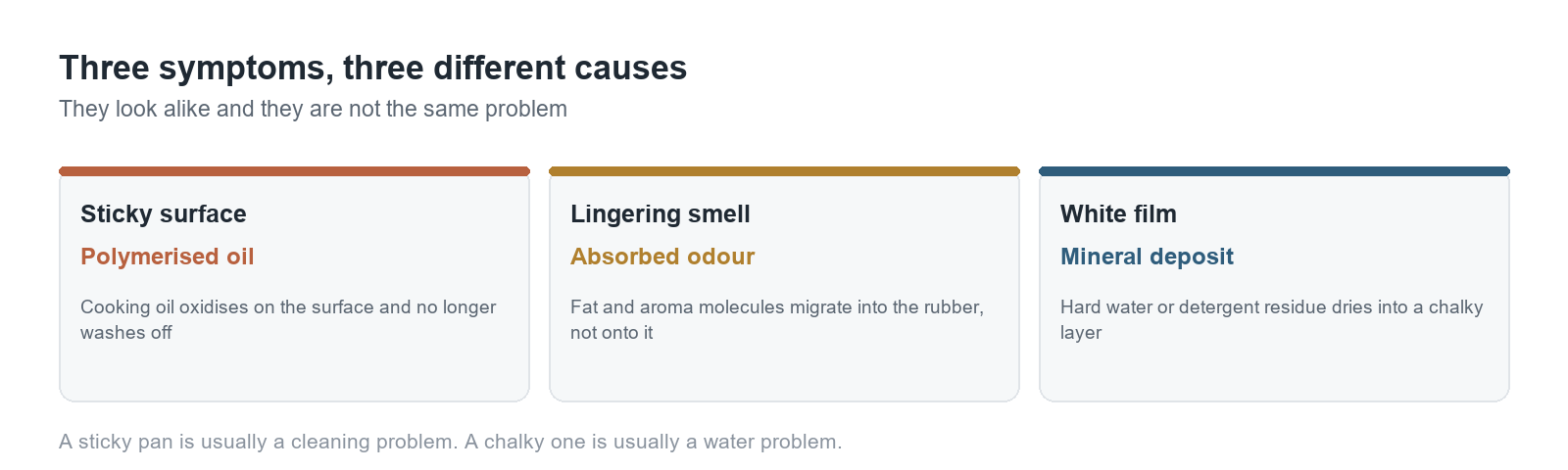
Figure 1. They look alike on the shelf and behave completely differently in the sink.
|
What you see |
What it feels like |
Most likely cause |
|
Shiny, tacky surface that grabs dust |
Sticky, and worse after washing |
Polymerised cooking oil |
|
Smell that survives washing |
Normal texture |
Absorbed fat and aroma compounds |
|
Chalky white haze, often in patches |
Slightly rough, no tack |
Calcium from hard water, or detergent residue |
|
Cracks at fold lines, dull surface |
Stiff, no rebound |
Thermal degradation — worn out |
The first three are cleanable. The fourth is not.
When cooking oil is heated repeatedly, it oxidises and cross-links into a thin polymer film. The same reaction that seasons a cast-iron pan coats a silicone spatula — except silicone flexes, so the film crazes and feels tacky instead of smooth.
Soap does not touch it, because the film is no longer oil; it is a plastic-like layer bonded to the surface. The fix is alkaline and mechanical:
• Make a paste of bicarbonate of soda and a little water
• Work it in with a soft brush or a non-scratch pad, with the part dry enough that the paste stays abrasive
• Rinse in warm — not hot — water
• Repeat rather than scrubbing harder; the film comes off in layers
Avoid abrasive pads designed for metal. Silicone scratches, and a scratched surface collects oil faster next time.
Silicone is slightly permeable. Fat and volatile aroma compounds migrate a short distance into the rubber, which is why a silicone lid can smell of curry a week after the curry is gone — and why washing the surface changes nothing.
Heat is the way to reverse it:
• Simmer the part for 10–15 minutes in water with a generous splash of white vinegar or a slice of lemon
• Or soak overnight in a bicarbonate solution, then rinse
• Dry fully, open — stacking a damp lid on a damp container traps moisture and the smell returns
What does not work: bleach (it can degrade the rubber and does not remove fat), and very hot water alone (it softens the surface without drawing anything out).
One caution: do not boil a part that is rated only for low-temperature use. Check the rating first — the same rule as the oven applies to a saucepan.
A chalky haze is usually calcium carbonate from hard water, sometimes mixed with undissolved detergent. It concentrates in the corners and along the rim, which is why it looks like a residue rather than a coating.
• Soak in diluted white vinegar or a citric acid solution for 20–30 minutes
• Rinse and dry
• If it returns within a week, the cause is the water, not the washing-up — a rinse aid or a filtered rinse is the real fix
Adding more detergent typically makes this worse: more surfactant means more residue to dry onto the surface.
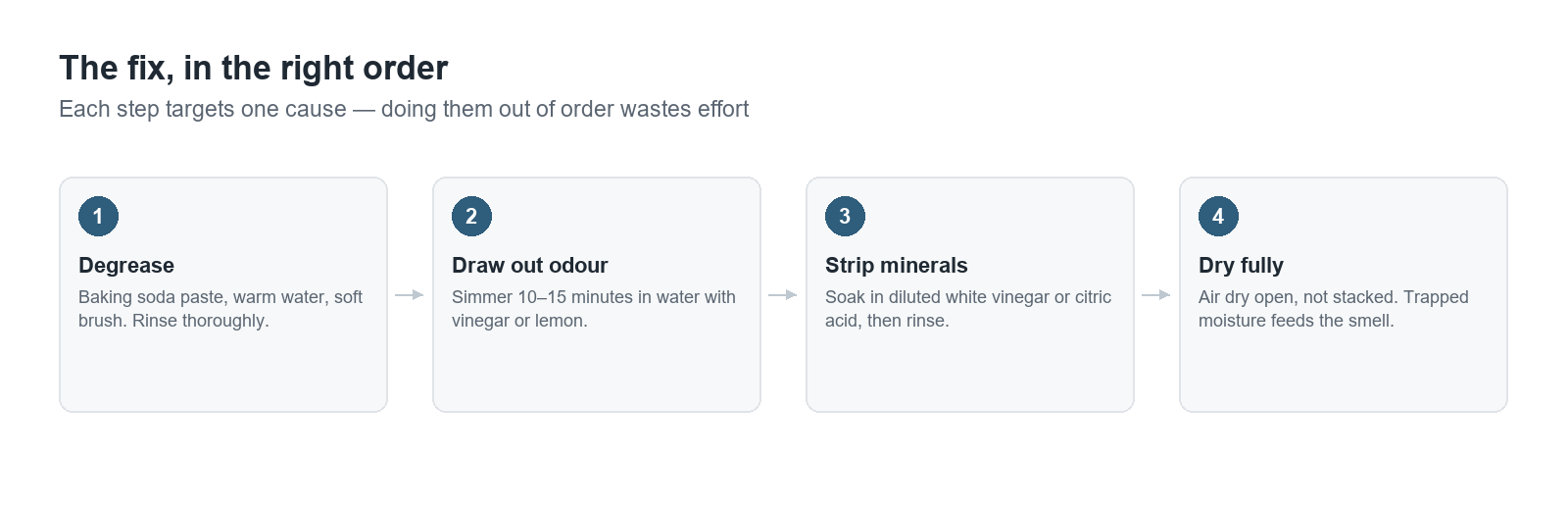
Figure 2. Each step targets one cause — doing them out of order wastes effort.
Retire the part if you see any of these:
• Cracks at flex points — the rim, the fold lines, the base radius
• A surface that stays dull and chalky after a vinegar soak
• No rebound — the part stays deformed after you twist it
• A smell that returns within a day of a proper deep clean
At that point the polymer has changed. A degraded part is not the part that was tested for food contact, and continuing to use it is a false economy.
1. Do not leave silicone sitting in oil at high heat. This is the single biggest cause of the sticky film.
2. Wash soon after use, before the oil has a chance to oxidise in a warm oven.
3. Dry open, never stacked wet.
4. Stay inside the rated temperature — repeated excursions accelerate both chalking and odour retention.
5. Use it for what it is for. A baking mat used as a trivet under a hot pan is being run above its rating.
Three specification points separate a product that stays clean from one that complaints about:
• Post-cure. Residual volatiles from an incomplete cure show up as a smell that the customer cannot wash out — and blames on the material.
• Filler content. Cheap compounds with high filler loading chalk faster and absorb more odour.
• Surface finish. A gloss surface releases oil film more readily than a heavy matte texture, which traps it.
If you are getting odour complaints on a houseware line, the cause is usually the cure cycle rather than the compound. Send us the part and the complaint pattern and we can check it against the process.
Why does my silicone spatula feel sticky even after washing? Cooking oil has oxidised into a polymer film that soap cannot dissolve. Use a bicarbonate paste with a soft brush, and rinse in warm water.
How do I get the smell out of silicone? Simmer it for 10–15 minutes with vinegar or lemon, or soak overnight in bicarbonate. Then dry it fully and in the open — trapped moisture brings the smell back.
Is the white film on my silicone mould? Usually not. It is normally calcium from hard water or dried detergent. A diluted vinegar or citric acid soak removes it; if it returns quickly, treat the water rather than the dish.
Can I put silicone in the dishwasher to fix this? A dishwasher helps with fat but not with polymerised oil, and hard water can leave more mineral film. For a sticky or smelly part, hand treatment works better.
Does boiling silicone damage it? Not if the part is rated for it. Check the temperature rating — boiling water is 100 °C, which is inside the range for food-grade silicone, but some thin promotional parts are not rated for repeated boiling.
When should I throw silicone away? When it cracks at a flex point, stays chalky after cleaning, loses its rebound, or the smell returns within a day. Those are signs of polymer degradation, not dirt.
About Xiamen Yidexin Silicone Rubber Industrial Co., Ltd. Founded in 2004 in Xiamen, China, Yidexin moulds custom silicone houseware, baby products and OEM parts. The factory runs 10 production lines with 50+ QC staff; total staff 109, including 5+ certified engineers. Intertek onsite verified in January 2026. Hardness range 20–80 Shore A; MOQ 100–2,000 pcs; sampling 3–7 days for parts. See household supplies.

2F/YISHENG BUILDING,1ST INDUSTRIAL ZONE,DIANQIAN,HULI DISTRICT,XIAMEN CITY,CHINA
86-592-5659128 (to8016)
+86-592-5785493
+86-13850076578
© 2016 XIAMEN YIDEXIN SILICONE RUBBER INDUSTRIAL CO.,LTD All Rights Reserved dyyseo.com
Online Contact
 86-592-5659128 (to8016)
 anna@xmydx.com
 +8613606037597+8613850076578
top