86-592-5659128 (to8016)
anna@xmydx.com English
 Deutsch
 español

20 YEARS Silicone manufacturer
86-592-5659128 (to8016)
anna@xmydx.com
20 YEARS Silicone manufacturer



2026-11-14
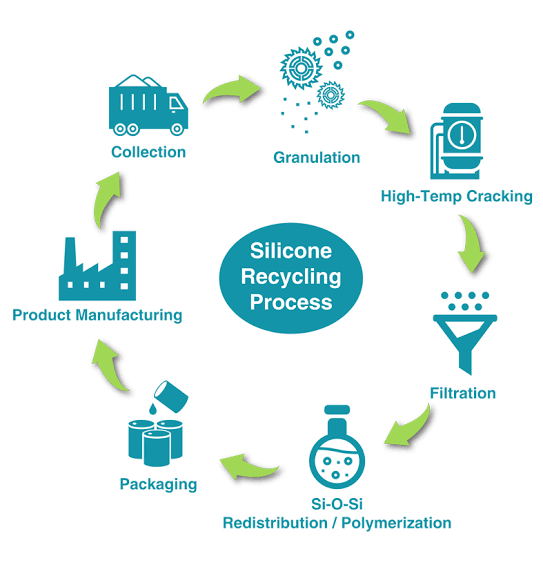
Is Silicone Recyclable or Biodegradable? Short answer: Silicone is not biodegradable, and it is rarely recycled — most municipal programmes will not take it. Specialist industrial routes exist: shredding into rubber crumb for downcycled applications, and pyrolysis to recover siloxanes and energy. The strongest environmental argument for silicone is not recyclability at all — it is service life. On...
Read More →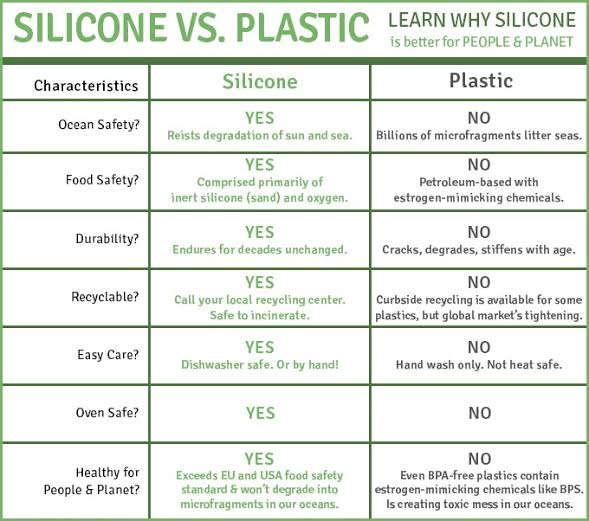
2026-11-13
Silicone vs Plastic: Which Is Actually Better? Short answer: Neither wins outright. Silicone wins on heat and flexibility — it tolerates temperatures that soften most plastics and it does not shed microplastics as it wears. Plastic wins on cost, clarity, rigidity and recyclability in practice. And one thing the marketing gets wrong: silicone is not "plastic-free" in any meaningful sense — it is a ...
Read More →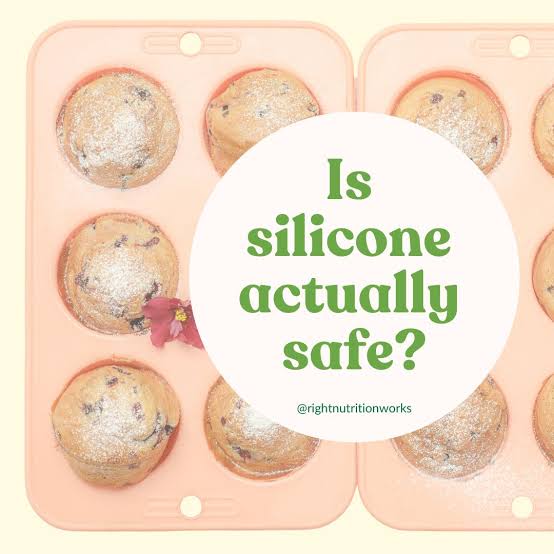
2026-11-12
Why Silicone Turns Sticky, Smells, or Goes White — and How to Fix It Short answer: These are three different problems that look alike. A sticky surface is usually polymerised cooking oil that soap cannot dissolve. A lingering smell is aroma and fat absorbed *into* the rubber, not sitting on it. A white film is a mineral deposit from hard water or detergent. Each needs a different treatment, and do...
Read More →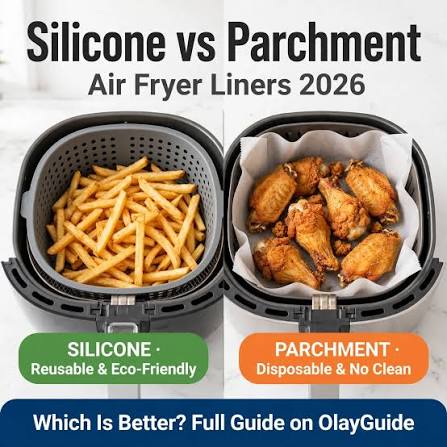
2026-11-11
Can Silicone Go in the Oven, Air Fryer, Microwave and Freezer? Short answer: Yes to the oven, up to about 230 °C / 450 °F. Yes to the air fryer at typical settings, as long as the silicone does not touch the heating element. Yes to the microwave — silicone does not absorb microwaves and does not heat itself. Yes to the freezer, down to about −40 °C. No to the broiler, the grill, or direct flame. T...
Read More →2026-11-11
Is Silicone Bakeware Safe? What the 2025 Siloxane Study Actually Found Short answer: A study published in late 2025 tested 25 silicone bakeware products sold in Canada and found that they can release cyclic siloxanes into food and air at baking temperatures — and that the release declined with repeated use. The study measured emission, not health outcomes. For a home baker, the practical response ...
Read More →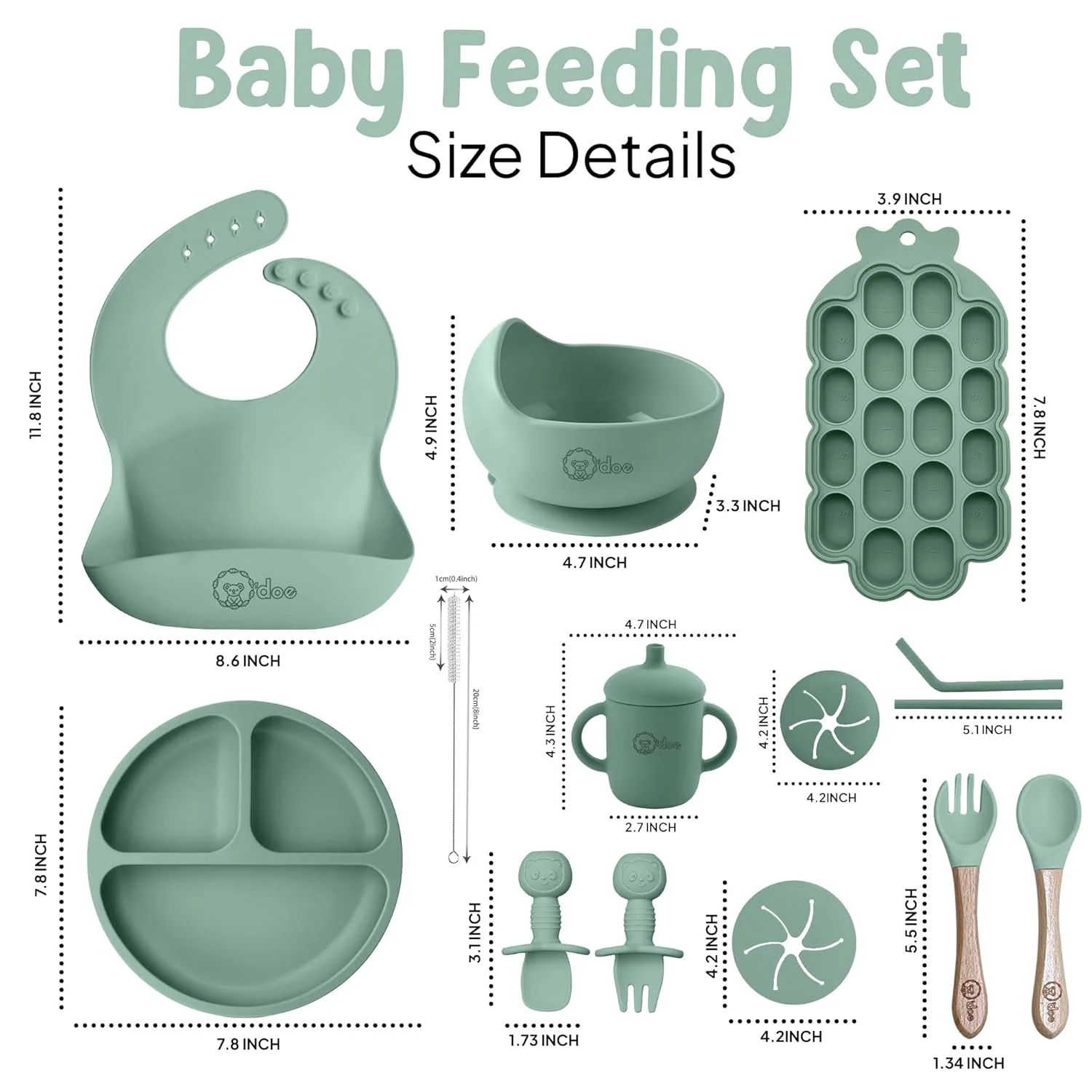
2026-11-06
Silicone Baby Feeding Products: OEM and Compliance Guide for US and EU Brands Short answer: A custom silicone baby feeding product typically samples in 3–7 days and produces in 5–30 days, with MOQ from 100–2,000 pcs per colour. Two things decide whether the product can be sold at all: the compliance evidence pack and the suction base. A plate that slides across the table is a safety complaint; a p...
Read More →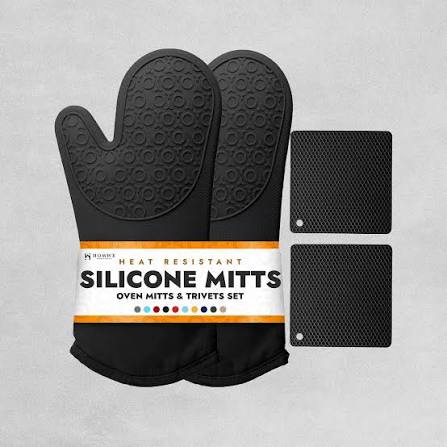
2026-11-06
Short answer: A custom silicone oven mitt typically samples in 3–7 days and produces in 5–30 days, with MOQ from 100–2,000 pcs per colour and per size. The critical misunderstanding in this category is simple: the silicone is not the insulation. Heat protection comes from the lining; the silicone provides grip and spill resistance. Specify the lining and test the seam, or the mitt will pass inspec...
Read More →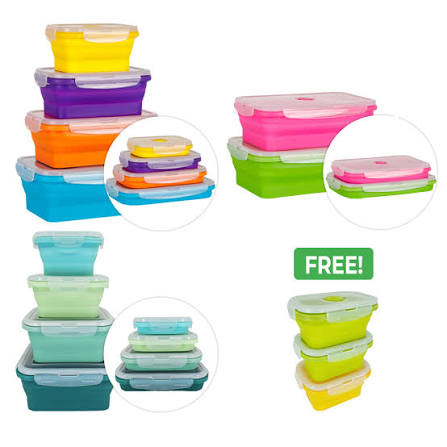
2026-11-06
Collapsible Silicone Food Containers: Design and Sourcing Guide (2026) Short answer: A custom collapsible container typically samples in 3–7 days and produces in 5–30 days, with MOQ from 100–2,000 pcs depending on size, lid type and colour. Two things decide whether the product works: the wall geometry (how it folds and whether it comes back) and the lid seal (whether it leaks in a bag). Everythin...
Read More →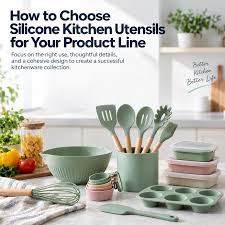
2026-11-06
Silicone Kitchen Utensils: OEM Sourcing Guide for Brands and Retailers Short answer: A custom silicone utensil set typically samples in 3–7 days and produces in 5–30 days, with MOQ from 100–2,000 pcs per colour and per tool. The part that fails in the field is almost never the blade — it is the joint between blade and handle. Specify hardness per tool, not per set, and test the joint under load be...
Read More →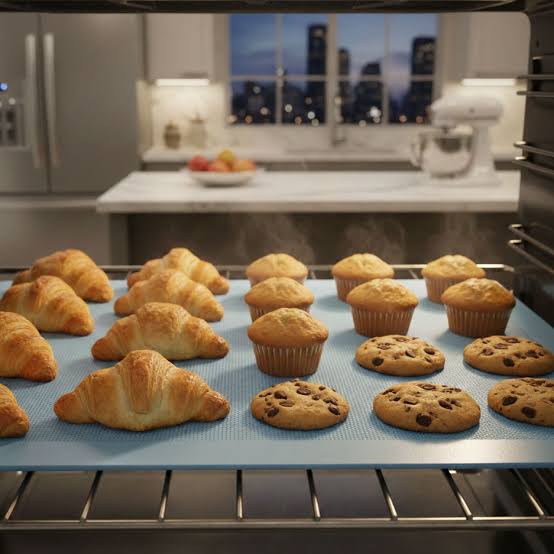
2026-11-06
Silicone Baking Mat Manufacturing: OEM Buyer's Guide (2026) Short answer: A custom silicone baking mat typically samples in 3–7 days and produces in 5–30 days, with MOQ from 100–2,000 pcs depending on size, coating and packaging. Three specifications decide whether the mat survives a commercial oven: coating weight, the fiberglass core and the edge finish. A mat that skips the core looks identical...
Read More →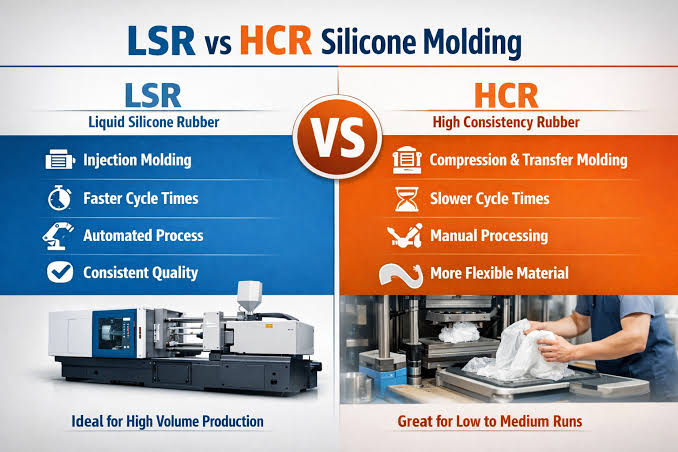
2026-11-06
Short answer: Choose LSR (liquid silicone rubber) for high-volume parts that need tight tolerance, clarity, or a short cycle. Choose HCR (high-consistency rubber) when you need better tear strength, compression set, or lower tooling cost at moderate volume. Choose RTV (room-temperature vulcanizing) for prototypes, bridge tooling, and low-volume parts where a cheap open mold makes sense. The three ...
Read More →
2026-11-06
Short answer: Choose a Chinese silicone manufacturer by verifying four things in this order — that they own the factory, that they can review your drawing, that they test what they ship, and that your tooling and IP stay yours. Price comes fourth. Most sourcing failures are not price failures; they are verification failures. Below is the checklist we would use ourselves, plus the red flags that sh...
Read More →
2F/YISHENG BUILDING,1ST INDUSTRIAL ZONE,DIANQIAN,HULI DISTRICT,XIAMEN CITY,CHINA
86-592-5659128 (to8016)
+86-592-5785493
+86-13850076578
© 2016 XIAMEN YIDEXIN SILICONE RUBBER INDUSTRIAL CO.,LTD All Rights Reserved dyyseo.com
Online Contact
 86-592-5659128 (to8016)
 anna@xmydx.com
 +8613606037597+8613850076578
top