86-592-5659128 (to8016)
anna@xmydx.com English
 Deutsch
 español

20 YEARS Silicone manufacturer
86-592-5659128 (to8016)
anna@xmydx.com
20 YEARS Silicone manufacturer



2026-11-13
Short answer: Neither wins outright. Silicone wins on heat and flexibility — it tolerates temperatures that soften most plastics and it does not shed microplastics as it wears. Plastic wins on cost, clarity, rigidity and recyclability in practice. And one thing the marketing gets wrong: silicone is not "plastic-free" in any meaningful sense — it is a synthetic polymer that does not biodegrade.
The useful question is not which material is better, but which failure you can live with in a specific product.
• Heat is the deciding line. Above roughly 120 °C, most commodity plastics are out before any other comparison matters.
• Silicone does not shed microplastics the way polypropylene does — that is a genuine advantage, and it is different from "chemical-free".
• Silicone is rarely recycled. Plastic is recycled more often, though far less than the recycling symbol suggests.
• "BPA-free" is not a safety guarantee. It usually means a different additive was used, not that the material is inert.
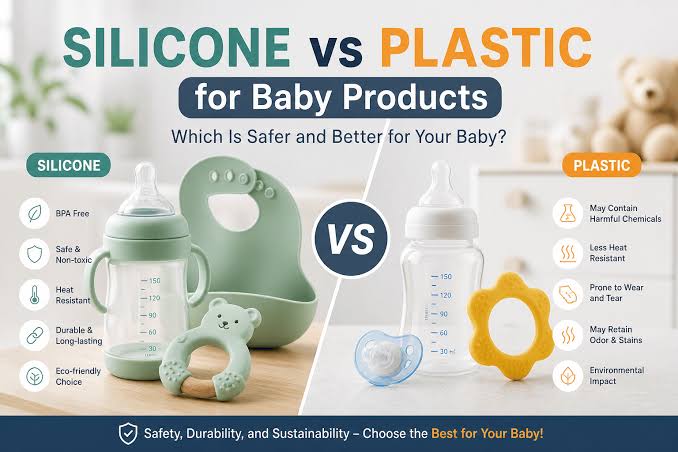
Figure 1. There is no chemical-free option — only a better or worse fit.
|
|
Silicone |
Polypropylene |
Rigid clear plastics |
Glass |
|
Heat |
To ~230 °C |
~100–120 °C |
Varies by grade; often lower |
Very high |
|
Flexibility |
High |
Low |
None |
None |
|
Microplastic shedding |
Does not shed in normal use |
Yes, as it ages and scratches |
Yes, especially when scratched |
No |
|
Recyclability |
Rare in practice |
Widely accepted |
Mixed by grade |
Widely accepted |
|
Clarity |
Translucent at best |
Translucent |
High |
High |
|
Cost |
Higher |
Low |
Low–mid |
Low–mid |
|
Weight |
Light |
Light |
Light |
Heavy |
|
Biodegradable |
No |
No |
No |
No |
Heat. A silicone spatula in a hot pan is doing something a PP utensil cannot. This is not a marginal difference — it is the reason the category exists.
Flexibility with memory. Silicone flexes and returns. That property is what makes a baking mat release dough, a lid seal, and a suction base hold.
No microplastic shedding in normal use. Silicone wears by abrasion and eventually cracks, but it does not produce the fine particulate that polypropylene sheds when it is scratched or aged. For food-contact applications, that is a real difference.
Service life. A good silicone mat outlasts dozens of plastic equivalents. On a per-use basis, the higher unit price often loses its sting.
Cost. Silicone resin is more expensive and slower to mould. For a promotional item or a high-volume disposable, plastic is the rational choice.
Clarity. If the product has to show the contents — a storage jar, a measuring cup — no silicone grade matches clear plastic.
Rigidity. A structured container, a stacking box, a clip-on lid: plastic does structure more cheaply and more precisely.
Recycling infrastructure. Polypropylene is collected in many municipal streams; silicone is not. A plastic item has a plausible end-of-life path that a silicone one usually does not.
BPA-free usually means the manufacturer switched to a different bisphenol or a different plasticiser. It does not mean the material is inert, and it says nothing about what happens when the product is heated, scratched or aged.
For silicone, the claim is even less meaningful: pure silicone contains no bisphenol A to begin with. A "BPA-free certificate" for a silicone product certifies a property the material already had.
Silicone is synthesised from silica (sand) through an energy-intensive process into a synthetic polymer with a silicon-oxygen backbone. It is chemically stable, which is exactly why it performs well in an oven — and exactly why it persists in landfill.
Silicone sits in an odd category: not a plastic in the strict sense, but not a natural material either, and not biodegradable. It is better than single-use plastic for repeated-use applications, and worse than glass or stainless steel on end-of-life.
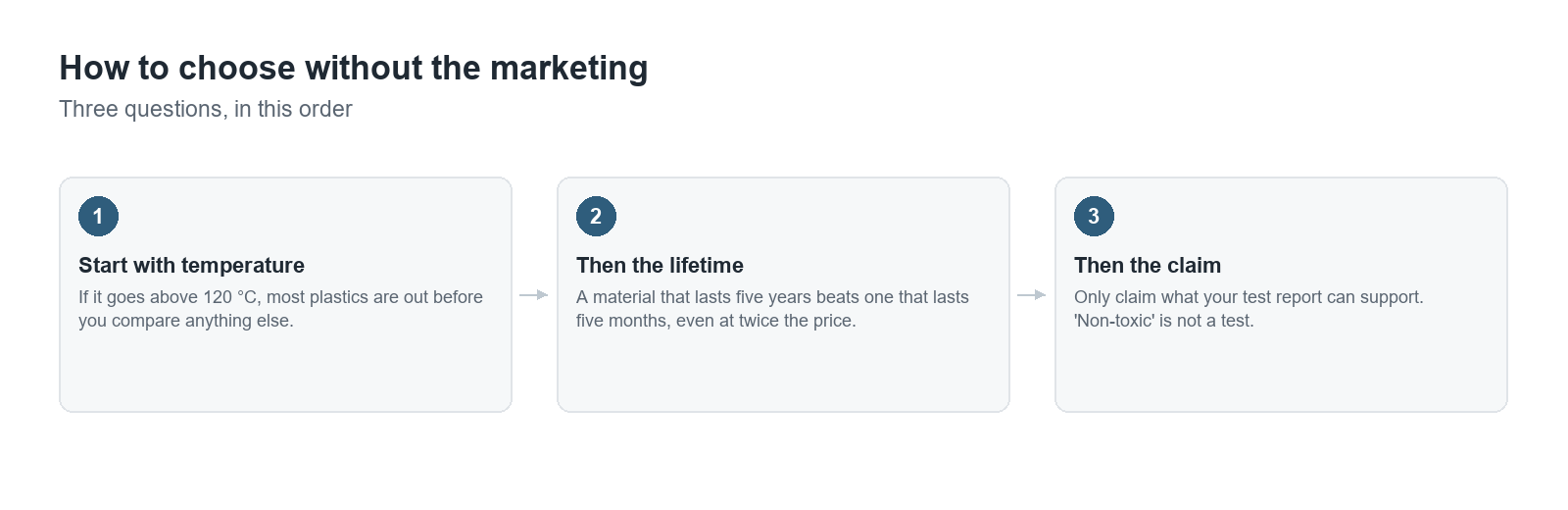
Figure 2. Ask these in order, and most decisions make themselves.
1. Start with temperature. Above about 120 °C, most plastics are eliminated. Below it, plastic is often cheaper and perfectly adequate.
2. Then the lifetime. A material that lasts five years beats one that lasts five months, even at twice the price. This is where silicone usually earns its cost.
3. Then the claim you can defend. If the packaging says "non-toxic", you need a test report that supports it. If it says "BPA-free", check whether that is a meaningful statement for the material.
• Do not sell silicone as "plastic-free". It is a synthetic polymer; the claim invites a correction and undermines the rest of the listing.
• Sell the specific advantage. "Oven safe to 230 °C", "does not shed microplastics", "replaces X disposable units per year" are all defensible.
• Match the material to the part. A rigid lid in silicone is a bad design; a silicone gasket in a PP lid is a good one. Mixed-material assemblies need two compliance files.
• Plan the end-of-life story before launch. "Recyclable" is a claim with legal weight in several markets, and silicone rarely supports it.
Talk to us about material selection if you are deciding between a moulded silicone part and a rigid plastic assembly.
Is silicone safer than plastic? For high-temperature and flexible food contact, generally yes. For low-temperature rigid applications, the advantage is smaller and the cost difference is larger. Neither is risk-free.
Is silicone a type of plastic? No — silicone has a silicon-oxygen backbone rather than a carbon backbone, which is why it behaves differently under heat. It is still a synthetic polymer and it is not biodegradable.
Does silicone release microplastics? It does not shed microplastic particles the way polypropylene does in normal use. It can release siloxanes at high temperature, which is a different mechanism and a different concern.
Is BPA-free plastic safe? It means bisphenol A was not used, not that the material is inert. Replacement additives have their own profiles, and heat and scratching change how any plastic behaves.
Which lasts longer, silicone or plastic? Silicone, in most kitchen applications, by a wide margin. That longevity is the main reason it can be the lower-cost option per use despite a higher price.
Can silicone be recycled? Rarely through municipal programmes. Specialist industrial routes exist, but they are limited. See our guide to silicone end-of-life for the detail.
About Xiamen Yidexin Silicone Rubber Industrial Co., Ltd. Founded in 2004 in Xiamen, China, Yidexin moulds custom silicone houseware, baby products and OEM parts. The factory runs 10 production lines with 50+ QC staff; total staff 109, including 5+ certified engineers. Intertek onsite verified in January 2026. Hardness range 20–80 Shore A; MOQ 100–2,000 pcs; sampling 3–7 days for parts. See household supplies.

2F/YISHENG BUILDING,1ST INDUSTRIAL ZONE,DIANQIAN,HULI DISTRICT,XIAMEN CITY,CHINA
86-592-5659128 (to8016)
+86-592-5785493
+86-13850076578
© 2016 XIAMEN YIDEXIN SILICONE RUBBER INDUSTRIAL CO.,LTD All Rights Reserved dyyseo.com
Online Contact
 86-592-5659128 (to8016)
 anna@xmydx.com
 +8613606037597+8613850076578
top